OUR SERVICES
Speech with Rhi & Friends provides speech pathology support for children, helping them develop communication, language, and social skills through engaging, personalised therapy. Most importantly, our sessions are fun, because children learn best when they feel safe, supported, and are enjoying themselves.
What is a Speech Pathologist?
A speech pathologist is a university-trained allied health professional who specialises in communication; how we understand language, express ourselves, and connect with the people around us.
In Australia, speech pathologists complete a minimum four-year degree and are certified members of Speech Pathology Australia, the profession’s national peak body.
That means when you walk through our door, you can trust you’re in qualified, experienced hands.
At Speech with Rhi & Friends, Rhi works closely alongside a dedicated team of therapy assistants and educators to deliver care that is warm, consistent, and wrapped around your child and family.
This collaborative model means your child benefits from more touchpoints, more connection, and more opportunities to practise and grow, guided by Rhi’s clinical expertise and delivered by a team who genuinely loves what they do.
How We Can Help
We support children of all ages; from toddlers just finding their words to school-age kids navigating communication, learning, and connection, alongside the families who know them best.
Language Development
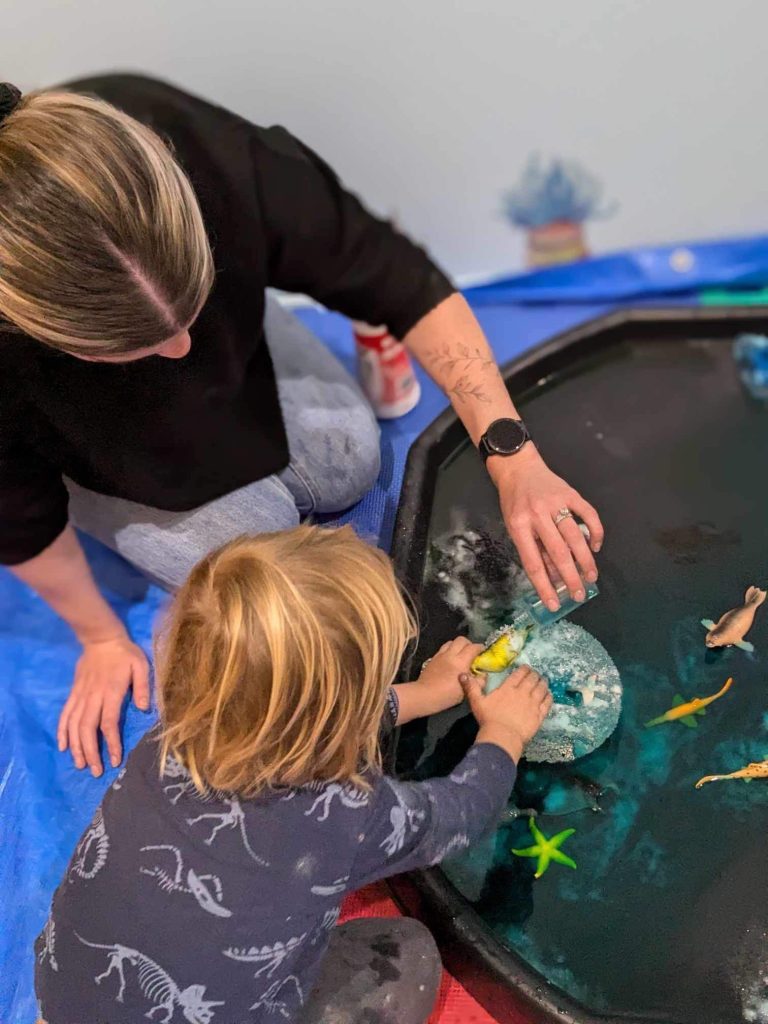
Language is about so much more than words. It’s how children make sense of the world, follow instructions, tell stories, ask questions, and build relationships.
We support children who are finding it tricky to understand what’s being said to them, express their thoughts and ideas, or keep up with the language demands of everyday life and school.
Social Communication
Connecting with others, reading social cues, knowing what to say and when; these skills don’t come automatically for every child, and that’s okay.
We support children who find social interactions tricky, including those who are autistic or have social communication differences. We work on skills like conversation, friendship, emotional understanding, and navigating the social world, always in a way that celebrates who your child is, not tries to change them.
Literacy
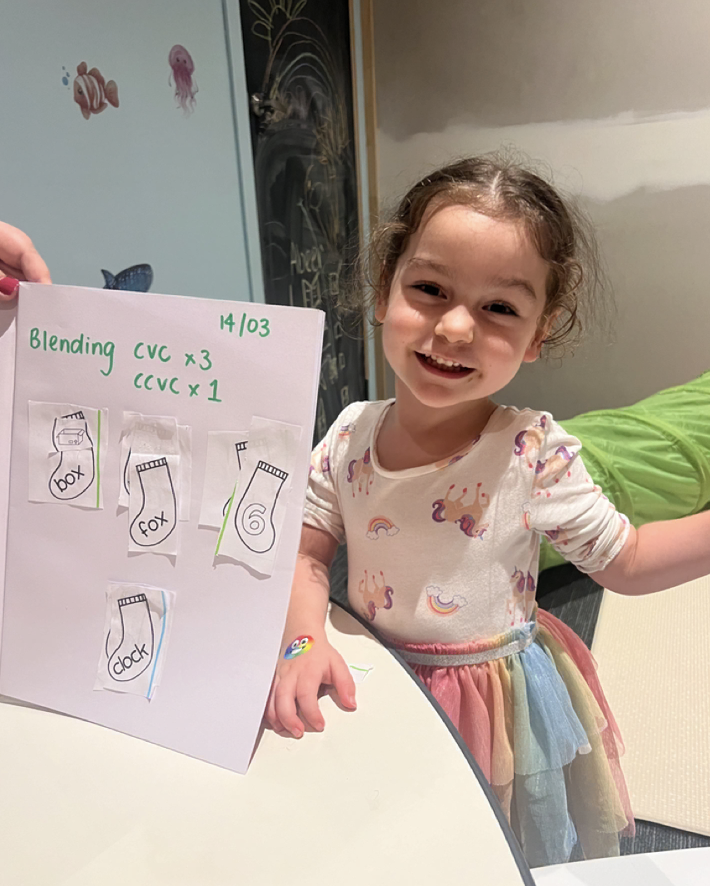
Reading and writing open doors and when they feel hard, it can affect a child’s confidence as much as their learning. We support children who are finding it difficult to develop phonological awareness, decode words, spell, or put their thoughts onto paper. Our literacy sessions are grounded in evidence and tailored to your child’s individual profile. Sessions are available in person at our clinic, via telehealth, or out in your community.
Complex Communication Needs
Some children have communication profiles that are multifaceted, where speech, language, understanding, and connection all intersect in unique ways.
We have experience supporting children with complex communication needs, including those with significant developmental differences, disability, or medical complexity.
We take a holistic, team around the child approach, working closely with families and other professionals to ensure your child’s voice is always at the centre.
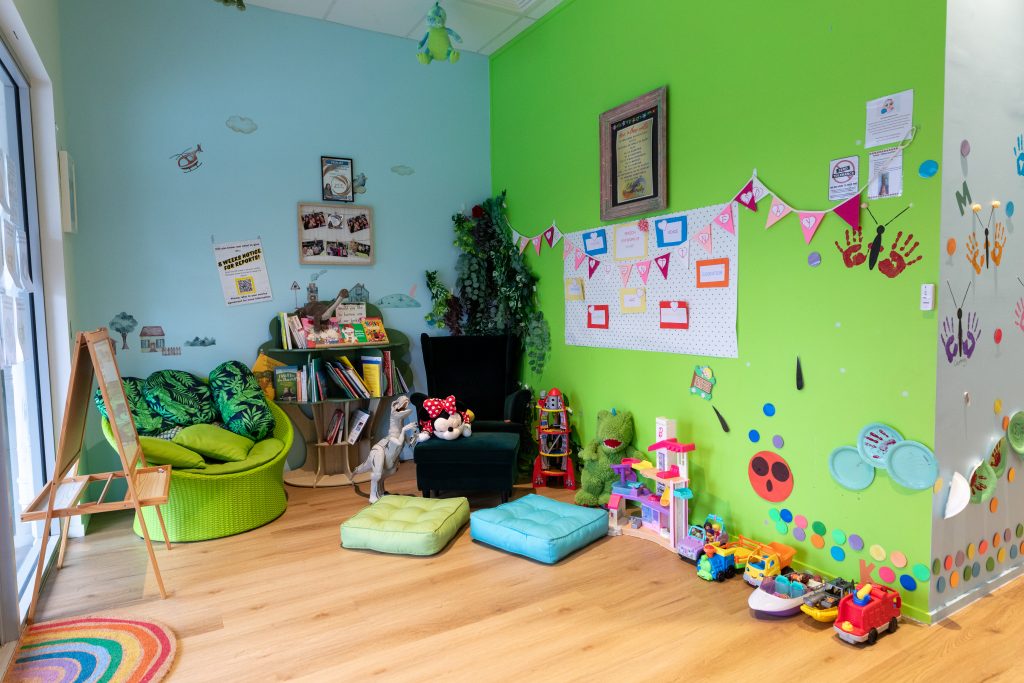
AAC (Alterative and Augmentative Communication)
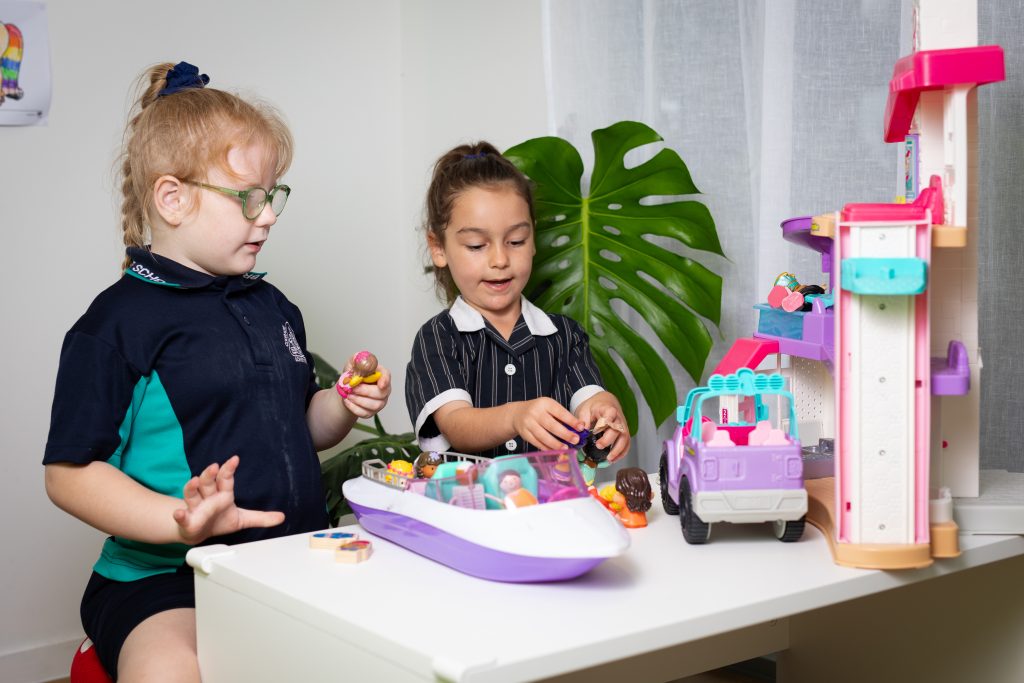
Some children communicate best with a little more than words alone and that’s a wonderful thing.
AAC includes a wide range of tools and strategies, from picture boards and sign language to high tech speech generating devices, that support children to express themselves fully.
We work with children and their families to find the right AAC system, build confidence in using it, and help everyone around your child feel empowered to communicate with them too.
Why Families Choose Speech with Rhi & Friends
Great therapy isn’t just about what we teach—it’s about how we connect, play and grow alongside your child. Here’s what guides every session at Speech with Rhi & Friends.
We Meet Them Where They Are
No two children are the same, and we’d never treat them that way.
We follow your child’s lead, incorporating their interests, pace and world into every session.
Whether they’re taking their first steps into communication or working through more complex goals, we begin with who they are today.
We Make It Playful, On Purpose
Children learn best through connection, curiosity and play.
Rather than relying on worksheets or flashcards, we build therapy around meaningful interactions that feel fun, engaging and relevant to everyday life.
You're Part Of It Too
Families are at the heart of everything we do.
We’ll explain what we’re seeing, why it matters and practical ways to continue supporting communication at home, because some of the biggest breakthroughs happen between sessions.
Our Approach
We use play-based, evidence-informed approaches to support your child’s development across communication, learning, and everyday life.
Tap each card to discover how play supports your child
Circle of Security
Children thrive when they feel safe, supported, and understood.
In our sessions, we use a relationship-based approach inspired by the Circle of Security to support both exploration and connection.
Tap any section to flip and learn more
Safe Base
"I can explore the world"
tap to learn moreWe provide a secure foundation for your child to explore. We balance support with gentle challenges and build connection first — because learning follows.
tap to flip backSafe Haven
"I can come back for comfort"
tap to learn moreWe help your child feel safe before expecting communication or participation. We notice their cues and are always a place they can return to for comfort.
tap to flip backAlways: bigger, stronger, wiser & kind · Whenever possible: follow your child's lead · Whenever necessary: take charge
How this looks in therapy
- We notice and respond to your child's cues
- We balance support with gentle challenges
- We help your child feel safe before expecting communication or participation
- We build connection first — because learning follows
The Learning Loop
Our therapy sessions follow a four-stage cycle designed to make learning stick
Interest
Content &
Concepts
New
Knowledge
or
Resolve
Pique Interest
We start where your child is. By tapping into what motivates and excites them, we make learning feel natural and worthwhile — because motivated children learn more.
Explore Content & Concepts
We teach for your child to learn — not the other way around. Activities and goals are shaped around your child's strengths, interests, and communication profile.
Integrate New Knowledge
We help your child apply new skills within the context of what they already know, building confidence and making skills functional in real life.
Reflect or Resolve
We check in — have we learned what we need to? Is this skill functional yet? We adjust, revisit, and celebrate progress before moving forward.